Comedy Skit Camera Angles Ranked by Reach (Blossom Data)
Comedy skit camera angles ranked: close-up comedy videos reached 16.14 times their usual views in Blossom data, while one fixed wide angle reached 2.86 times.

The camera angle that reaches furthest in comedy is the tight close-up. In Blossom’s library, comedy videos built on close-ups of faces, hands or props reached 16.14 times the views their account usually gets (109 videos). Comedy videos filmed from one fixed angle with no cuts reached 2.86 times (1,068 videos), so the close-up clips came out about 464% higher.
The typical comedy video reached 4.69 times its account’s usual views (3,988 videos). Only close-ups beat it by a real margin, and you’ll see below that the rest sit close to it or under it.
Comedy skit camera angles ranked by reach
Here are all four framing choices with at least 30 comedy videos in Blossom’s library from the last six months, sorted from the highest reach to the lowest.
| How the comedy video is framed | Times the account’s usual views | Videos | Against the typical comedy video |
|---|---|---|---|
| Tight close-ups on a face, hands or a prop | 16.14 times | 109 | about 244% higher |
| Faceless: hands, POV or voiceover carry it | 4.84 times | 114 | about 3% higher |
| Looking straight into the lens | 4.06 times | 234 | about 13% lower |
| One fixed camera angle, no cuts | 2.86 times | 1,068 | about 39% lower |
The fixed single angle is the most common setup in comedy by a wide margin, with 1,068 videos. That’s the phone on a shelf filming the whole room while the sketch plays out. It’s the easiest way to shoot a skit, and in Blossom’s data it’s also the weakest.
What is the best camera angle for comedy skits?
Cutting in tight on the moment that’s funny works best in Blossom’s comedy data. That means a punch-in on the face that reacts, the hand that drops the plate, or the text message on the phone screen at the exact second it lands.
Faceless comedy and talking to the lens both land near the typical comedy video. So your face is fine in a sketch. What matters is whether the camera moves in when the joke hits.
Why close-ups suit sketch comedy
A close-up tells the viewer where to look. On a small phone screen, a wide shot of two people in a kitchen leaves the reaction tiny, and a tight shot makes the reaction the whole frame. It’s the same reason sitcoms cut to a face after a line.
What to pair with close-ups in a comedy video
Close-up comedy clips did best with a few specific choices on top. Here’s what they reached, set against 4.69 times for the typical comedy video. Each pairing below has at least 30 videos.
- A situation viewers recognize from their own life: close-up clips reached 24.06 times (32 videos), about 413% above the typical comedy video.
- Exaggerating a small moment for laughs: they reached 19.04 times (43 videos), about 306% above.
- Opening with a line of text: they reached 7.32 times (31 videos), about 56% above.
- Cuts timed to the beat: they reached 7.29 times (38 videos), about 55% above.
The top two pairings are about the joke, and the bottom two are about the edit. So if you’ve got to choose where to spend your time, write a relatable, exaggerated moment first and then shoot it close.
A close-up comedy skit, described
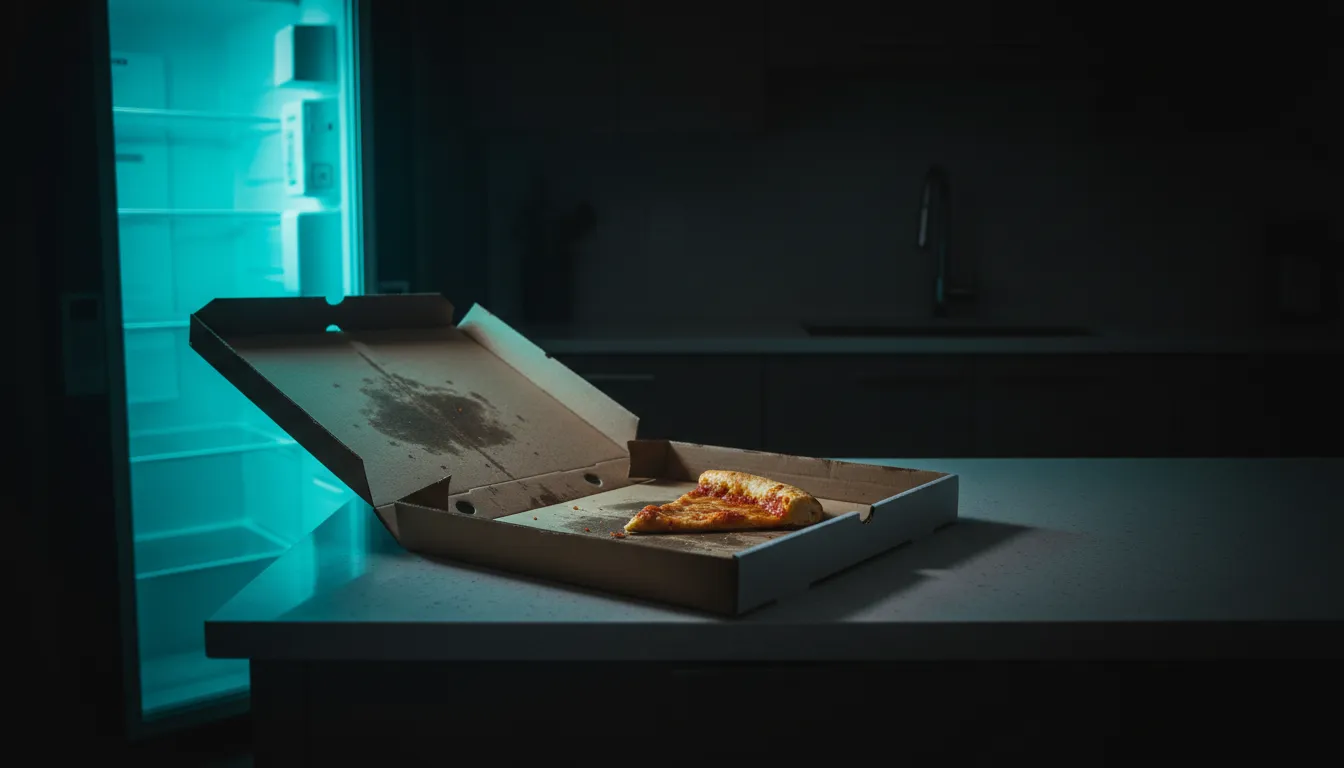
Picture a 15-second sketch about a roommate eating the last slice of pizza. It opens on a close-up of an empty pizza box being lifted, then cuts to a tight shot of one face slowly turning toward the camera. The next shot is a close-up of a hand hiding a crust behind a back.
There’s no wide shot of the room at all. You see each beat of the joke the instant it happens, and you recognize the situation immediately, which is exactly the mix that topped the pairings above.
How to shoot comedy skits for more views this week
- Write the joke around one reaction: decide which face or object carries the punchline.
- Shoot the setup wide, the punchline tight: punch in for the beat that’s meant to land.
- Pick a moment people know: shared flats, group chats, work calls, family dinners.
- Exaggerate one small thing: a slow turn, a huge sigh, a dramatic stare.
- Cut the dead air: start each shot as close to the action as you can.
For openings that fit this style, read how comedy skits win the first second. For the feel of the joke, check the comedy emotional benchmarks, and for edit speed see the comedy pacing benchmarks.
Check your framing before you post
Blossom breaks down each comedy video you upload, including how it’s framed, where the cuts fall and what happens in the first three seconds, then compares it with comedy videos that reached far beyond their account’s usual views. You’ll see whether your punchline lands in a close-up or gets lost in a wide shot before it goes live. Blossom scores the video; it can’t promise views. Analyze your next skit.
FAQ
Do close-ups make comedy videos funnier?
They go with much stronger reach in Blossom’s data. Comedy videos with tight close-ups reached 16.14 times their account’s usual views (109 videos), against 4.69 times for the typical comedy video.
Is filming a skit in one wide shot bad?
It’s the weakest setup in Blossom’s comedy data. One-angle comedy videos reached 2.86 times their usual views (1,068 videos), about 39% below the typical comedy video.
Should I look at the camera in comedy videos?
It’s roughly neutral. Comedy videos where the creator looks into the lens reached 4.06 times their usual views (234 videos), about 13% below the typical comedy video.
Does faceless comedy work?
About as well as average. Faceless comedy videos reached 4.84 times their usual views (114 videos), about 3% above the typical comedy video.
How we measured this
Figures come from Blossom’s library of analyzed TikTok and Instagram videos, pulled on 2026-11-14, using videos Blossom classed as entertainment and comedy content from the last 180 days. For each video we compare its views with the views its account usually gets, and report the median so one breakout video can’t skew a result. Every comparison has at least 30 videos on each side.
- Typical comedy video: 3,988 videos at 4.69 times
- Framing: close-ups 109 videos at 16.14 times; faceless 114 at 4.84; looking into the lens 234 at 4.06; one fixed angle 1,068 at 2.86
- Close-up videos paired with: relatable situation 32 at 24.06; exaggeration 43 at 19.04; text hook 31 at 7.32; beat cuts 38 at 7.29
One video can carry more than one framing choice, so the groups overlap, and the pairings rest on much smaller samples than the main ranking. This shows what went together with stronger reach, and it can’t show what caused it.
Read next

Are Before and After Videos Dead? What 2026 Data Shows
No, but how you open them matters. In Blossom's library, before and after videos that tease the result reach 2.71 times an account's usual views.

Are Challenge Videos Dead on TikTok and Reels? 2026 Data
No. Blossom data shows challenge videos at 3.31 times an account's usual views across 767 videos, and their share of new posts is rising.

Are Dance Trends Dead on TikTok? What the Data Shows in 2026
No. In Blossom's library, dance trends took a 2.87 times larger share of dance videos in the last four weeks (106 videos) than in the eight weeks before (135).