Mistakes-to-Avoid Videos: Why "Don't Do What I Did" Gets Saved
Mistakes to avoid video ideas that get saved: name the cost in one line, order mistakes by stakes, and end on one fix. With Blossom data on what reaches.

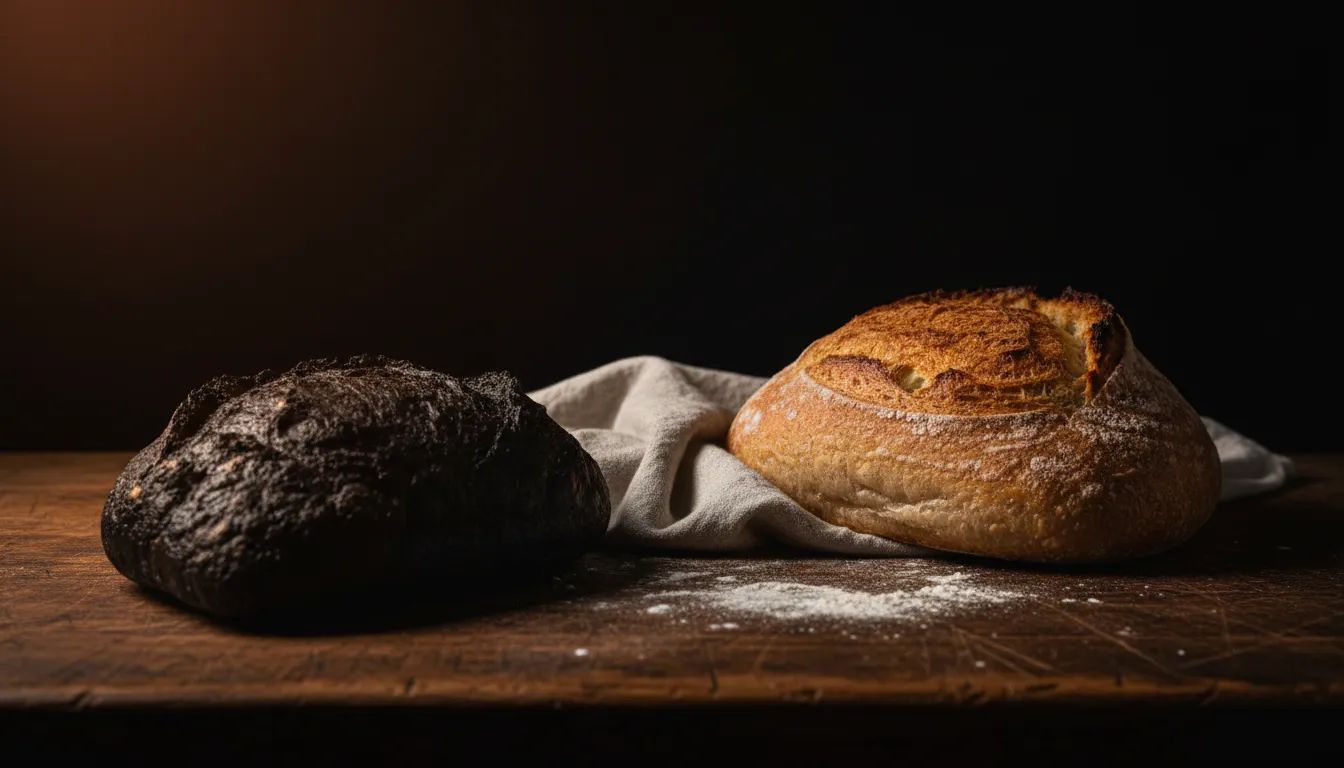
A mistakes-to-avoid video gets saved when it names a specific cost in one line, orders the mistakes by stakes, and ends on the one fix your viewer can use today. The fix is the part that matters most for reach. In Blossom’s library, videos that name a mistake the viewer recognizes and then show the fix reached 2.34 times the views their account usually gets (10,772 videos), level with the typical video at 2.31 times (51,717 videos).
Videos carried by a longer personal story did worse, at 1.81 times (2,357 videos), about 22% below typical. So keep your story short and get to the fix.
Why a mistake works better than a plain tip
A tip is a claim, and your viewer has heard “post consistently” and “know your audience” a hundred times. A mistake is a report. “I lost three months of growth because I deleted my old videos” is about your own account, so the viewer only has to trust your result.
That gives the format a few advantages over a straight tutorial:
- Lower trust threshold. Admitting a loss costs the speaker something, so it’s believed faster than a recommendation.
- Built-in stakes. A mistake arrives with a consequence attached. A tip has to invent one.
- Natural save intent. “What not to do” is reference material. People save it to check before they make the same move, the future-intent behavior covered in Saves vs Shares on Instagram.
Make the cost specific, in one line
The cost is your proof, and it works best as one sharp line rather than a story. Compare three openers for the same video:
- “Here are some mistakes beginners make with sourdough.”
- “I made every one of these sourdough mistakes.”
- “I threw out eleven loaves before I figured out this one thing about my starter.”
The first has no speaker. The second has a speaker but no cost. The third gives your viewer a number, a loss and an implied fix in one breath, and it promises the answer is coming.
Some rules for writing the cost:
- Use a number when you have one. Money, hours, loaves, followers, attempts.
- Name the consequence, not the feeling. “My next ten videos stayed under 300 views” beats “I was so frustrated.”
- Keep it proportionate. A dramatic cost on a trivial mistake reads as bait, and viewers can tell.
The Worst Hook Mistakes goes deeper on why a vague negative opening gets skipped.
Do warning hooks work for mistake videos?
Alarm-style openings ranked near the bottom in Blossom’s data. Videos with a “warning flag” hook, one that leads with a danger signal like “stop doing this,” reached 0.56 times their account’s usual views (33 videos). Problem and solution hooks, which name the pain and pivot to a fix, reached 1.95 times (10,090 videos), about 248% higher.
So frame the cost as yours and the fix as the payoff. “This cost me my first brand deal” invites the viewer in. “You’re making this mistake right now” puts them on the defensive.
Order your mistakes by stakes, not by date
Most creators list mistakes in the order they made them. That puts your earliest, most basic mistake first, which is the one your viewer has most likely already avoided. It’s the same problem as a listicle with a generic first item, broken down in Listicle Videos.
Order by stakes instead:
- Open with the most expensive mistake. The biggest, most specific cost doubles as the second half of your hook.
- Put the most surprising one second. Item two is where viewers decide whether to stay, and a counterintuitive entry (“posting more made it worse”) rewards them.
- Close with the most fixable one. It sets up your ending.
Keep only the mistakes that are expensive, surprising or fixable. Three strong mistakes make a better video than five padded ones.
A structure for mistakes-to-avoid videos
Open on the cost in under 3 seconds
State the loss before the topic. “This mistake cost me my first brand deal” lands faster than “Let’s talk about pitching brands.” If you can show the cost on screen, like the empty analytics or the burnt batch, show it.
Give each mistake a cause and a consequence
Your viewer needs two beats per mistake: what you did, and what it did to you. Skip the backstory, since that’s where the personal-story drag shows up.
Change something visible between mistakes, like a new angle or a cut to the evidence. A static talking head across three items is where your retention curve sags, and How to Read Your Retention Graph shows how to spot it.
End on one fix, not a recap
“So yeah, don’t do what I did” is a shrug. End on the one action your viewer can take today: “If you do one thing after this video, check whether your starter doubles in four hours before you bake.” That line is why people save the video, and The Closing Line That Earns the Save covers how to write it.
Deliver the fix early rather than teasing it in the opening and making viewers wait. Videos that opened with a promise of something useful by the end reached 1.16 times (3,651 videos) in Blossom’s library, about 50% below the typical video.
Mistakes creators make in mistake videos
- The humblebrag. “My biggest mistake was growing too fast” is a flex in a costume, and it costs you the credibility the format runs on.
- Blaming the platform. A rant about the algorithm stops being about a choice you made, and your viewer can only learn from choices.
- No fix anywhere. A list of regrets with no correction is a vent, and people rarely save a vent.
- Too many mistakes. Ten mistakes in forty seconds means none of them gets a consequence. Three to five is plenty.
- Recycled mistakes. “Not posting consistently” is on every list. If yours is that familiar, it needs an unusually specific cost.
Mistakes to avoid video ideas for most niches
The format fits any topic where your viewer is about to make a decision you’ve already made:
- First-purchase mistakes: “What I wasted money on in my first year of [hobby].” Strong for gear and equipment niches.
- Setup mistakes: “Mistakes I made setting up my [home gym, aquarium, studio].” Viewers often find it mid-setup, which is why they save it.
- Process mistakes: “Three mistakes that ruined my [bread, paint job, edit].” Each maps to a step, so it doubles as troubleshooting.
- Business and career mistakes: “Mistakes that cost me clients in my first year freelancing.” The cost is money or time, both easy to put a number on.
- Day-one advice: “What I’d tell myself on day one.” A softer frame for subtle mistakes.
Check your mistake video before you post
When you run a draft through Blossom, it gives your opening a Hook Power score out of 100 and explains why it lands or misses, which is usually where a vague cost shows up. It also maps where viewers are likely to leave, so you can see whether your second mistake is carrying its weight. Blossom scores the video; it can’t promise views. Start a trial or read the FAQ first.
FAQ
Do mistakes-to-avoid videos get views?
They can. In Blossom’s library, videos that name a mistake and show the fix reached 2.34 times their account’s usual views (10,772 videos), level with the typical video at 2.31 times.
How many mistakes should one video include?
Three to five. More than that leaves no room for each mistake’s cost and consequence.
Should I start with “stop doing this”?
Usually not. Warning-style hooks reached 0.56 times their account’s usual views (33 videos), against 1.95 times for problem and solution hooks (10,090 videos).
Should I tell the full story of each mistake?
Keep it to a line. Videos carried by a personal story reached 1.81 times (2,357 videos), about 22% below the typical video.
How we measured this
Figures come from Blossom’s library of analyzed TikTok and Instagram videos, pulled on 2026-11-13. For each video we compare its views with the views its account usually gets, and report the median so one breakout video can’t skew a result. Every comparison has at least 30 videos on each side.
- Problem and fix structure: 10,772 videos, 2.34 times, against all 51,717 videos in the last 180 days at 2.31 times (2.34 / 2.31 = 1.01)
- Personal story: 2,357 videos, 1.81 times (about 22% lower)
- Utility promise opening: 3,651 videos, 1.16 times (about 50% lower)
- Hook types, across the full library: warning flag 33 videos, 0.56 times; problem and solution 10,090 videos, 1.95 times (1.95 / 0.56 = 3.48, about 248% higher)
The warning-flag group sits just above the 30-video floor, and the hook figures cover a longer window than the technique figures. This shows what went together with reach, and it can’t show what caused it.
Read next

Are Before and After Videos Dead? What 2026 Data Shows
No, but how you open them matters. In Blossom's library, before and after videos that tease the result reach 2.71 times an account's usual views.

Are Challenge Videos Dead on TikTok and Reels? 2026 Data
No. Blossom data shows challenge videos at 3.31 times an account's usual views across 767 videos, and their share of new posts is rising.

Are Dance Trends Dead on TikTok? What the Data Shows in 2026
No. In Blossom's library, dance trends took a 2.87 times larger share of dance videos in the last four weeks (106 videos) than in the eight weeks before (135).