Do Science Experiment Videos Get Views? What Blossom's Data Shows
In Blossom's education data, science experiment videos reached 21.30 times their account's usual views (44 videos), against 5.65 for tutorials (1,364).

Yes, science experiment videos get far more views than most educational content. In Blossom’s Education & Life Hacks data, the typical science experiment reached 21.30 times the views its account usually gets across 44 videos. Step-by-step educational tutorials reached 5.65 times across 1,364 videos.
That’s 21.30 / 5.65 = 3.77, so experiments reached about 277% more than tutorials. The reason is simple: a reaction you can see happen needs no explanation to stop your thumb.
Science experiments vs tutorials, facts and explainers
Here’s a selection of seven formats from Blossom’s Education & Life Hacks category, each with at least 30 videos, sorted by reach. The category has 124 formats at that size, so this is a slice of them.
| Format | What it looks like | Times usual views | Videos |
|---|---|---|---|
| Science Experiment | a physical or chemical experiment done on camera | 21.30 | 44 |
| Science Demo | a real phenomenon shown as a visible change | 16.84 | 53 |
| Educational Animal Fact | one animal fact over footage and text | 8.90 | 244 |
| Fun Fact | one surprising claim, resolved in the same clip | 5.94 | 83 |
| Educational Tutorial | a skill taught step by step | 5.65 | 1,364 |
| Life Hack | a trick that fixes an everyday problem | 5.41 | 1,104 |
| Educational Explanation | a concept walked through with a payoff | 4.37 | 342 |
Science experiments rank third of all 124 formats in the category, behind relatable humor and memes. Science demos, which show the same kind of change with less setup, reached 16.84 times across 53 videos, 198% above tutorials.
Why do science experiment videos get so many views?
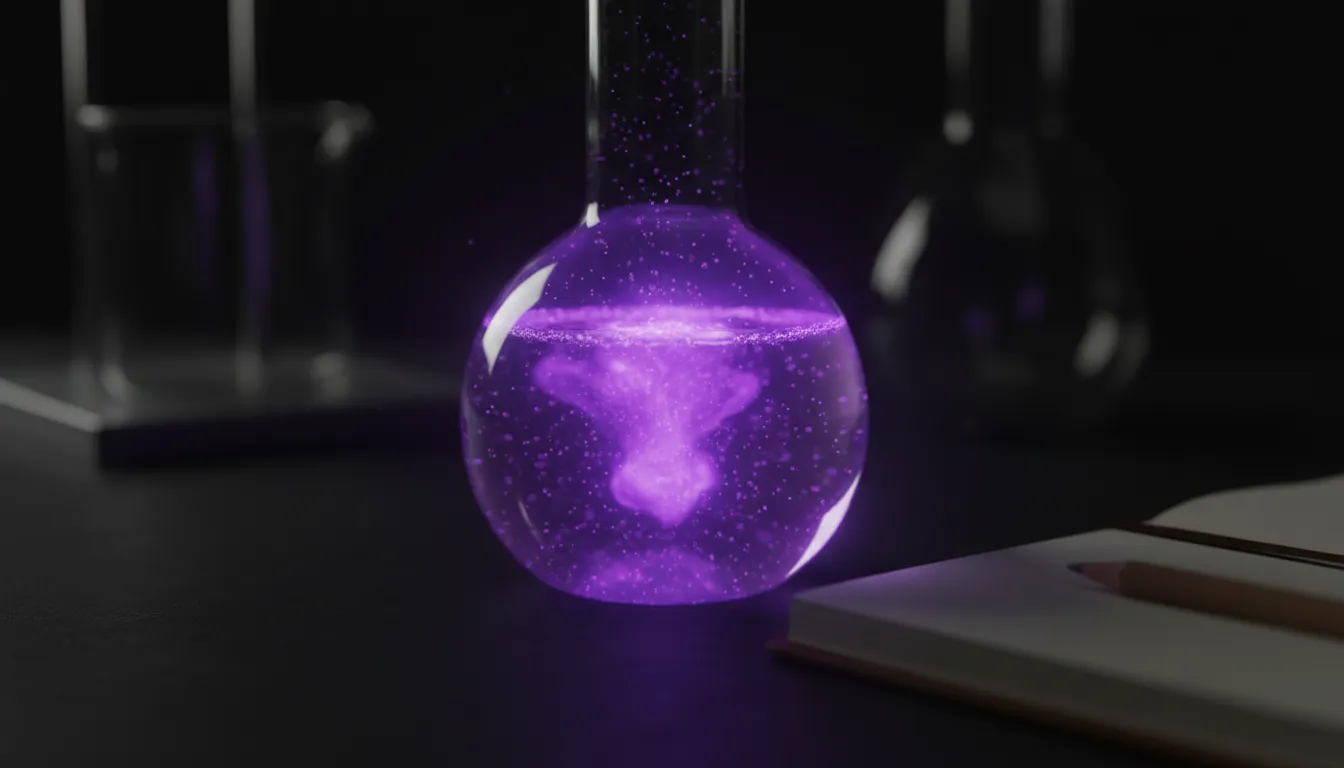
The payoff is visual and it arrives fast. Foam erupts, a liquid changes color, a flame turns green, and you understand the result before anyone says a word, so viewers who don’t speak your language still watch to the end.
Explanations sit at the other end of the table. Educational explanations reached 4.37 times across 342 videos, so experiments reached 21.30 / 4.37 = 4.87 times that, about 387% more. Talking about a concept asks for attention up front; showing it pays you back first.
How to film a science experiment that holds viewers
These steps come from what the top formats in the table have in common:
- Open on the moment just before the change. The first frame should show the setup ready to go, with one line of text like “what happens when I add this?”
- Show the reaction inside the first five seconds. Save the full explanation for after the payoff, when people are already curious.
- Lock the camera. A tripod and a clean background make the change easy to read on a small screen.
- Use one sentence of science. Name the reason in plain words, then stop. Your comments will ask for more.
- End on the result, not on you. The last frame is the one people screenshot and send.
- Put the safety note on screen. If it shouldn’t be tried at home, say so in text.
Picture a 14-second clip: a glass of clear liquid sits on a black table, a dropper hangs above it, and the text reads “one drop.” At second three the liquid turns deep blue, at second six a one-line caption names the reaction, and the clip loops back to the clear glass.
Science demos vs experiments: which should you post?
Post experiments when you have the time to build a setup, and demos when you want volume. Experiments reached 21.30 / 16.84 = 1.26 times the demo number. Across the whole Blossom library, without the category filter, experiments reached 19.47 times across 49 videos and demos 13.43 times across 57.
For more on teaching formats, read Blossom’s education format benchmarks, how to open a fun fact video and explainer video hooks.
Score your experiment’s first three seconds
Blossom gives your opening a Hook Power score out of 100 and tells you which format your video reads as, with how that format reaches in your niche. If your experiment spends its first five seconds on a list of materials, you’ll see it before you post. Blossom scores the video; it can’t promise views. Check your next science video.
FAQ
Do science videos do well on TikTok?
Yes, experiments especially. In Blossom’s data they reached 21.30 times their account’s usual views across 44 videos, the third-highest of 124 education formats.
How long should a science experiment video be?
Usually 10 to 30 seconds. Show the reaction early and keep the explanation to one line.
Do I need to explain the science?
Briefly. One plain sentence after the reaction is enough, and longer explainers reached less in this data.
Are fact videos as good as experiments?
They reach less. Fun fact videos reached 5.94 times across 83 videos, against 21.30 for experiments.
How we measured this
Figures come from Blossom’s library of analyzed TikTok and Instagram videos in the Education & Life Hacks category, pulled on 2026-11-22. For each video we compare its views with the views its account usually gets, and report the median so one breakout video can’t skew a result. Every format shown has at least 30 videos.
- Science experiment: 44 videos; science demo: 53
- Educational tutorial: 1,364; life hack: 1,104; educational explanation: 342
- Educational animal fact: 244; fun fact: 83
- Library-wide: science experiment 49, science demo 57
Each video gets one format, and the table is a selection of related teaching formats. Experiment videos are a small group, so a few new videos can move the number. This shows what went together with more views, not what caused them.
Read next

Are Before and After Videos Dead? What 2026 Data Shows
No, but how you open them matters. In Blossom's library, before and after videos that tease the result reach 2.71 times an account's usual views.

Are Challenge Videos Dead on TikTok and Reels? 2026 Data
No. Blossom data shows challenge videos at 3.31 times an account's usual views across 767 videos, and their share of new posts is rising.

Are Dance Trends Dead on TikTok? What the Data Shows in 2026
No. In Blossom's library, dance trends took a 2.87 times larger share of dance videos in the last four weeks (106 videos) than in the eight weeks before (135).