Changing Angles and Locations: What to Combine It With (Blossom Data)
B roll ideas for Reels, backed by data: videos that change angles and add a relatable moment reached 16.84 times the account's usual views in Blossom's library.

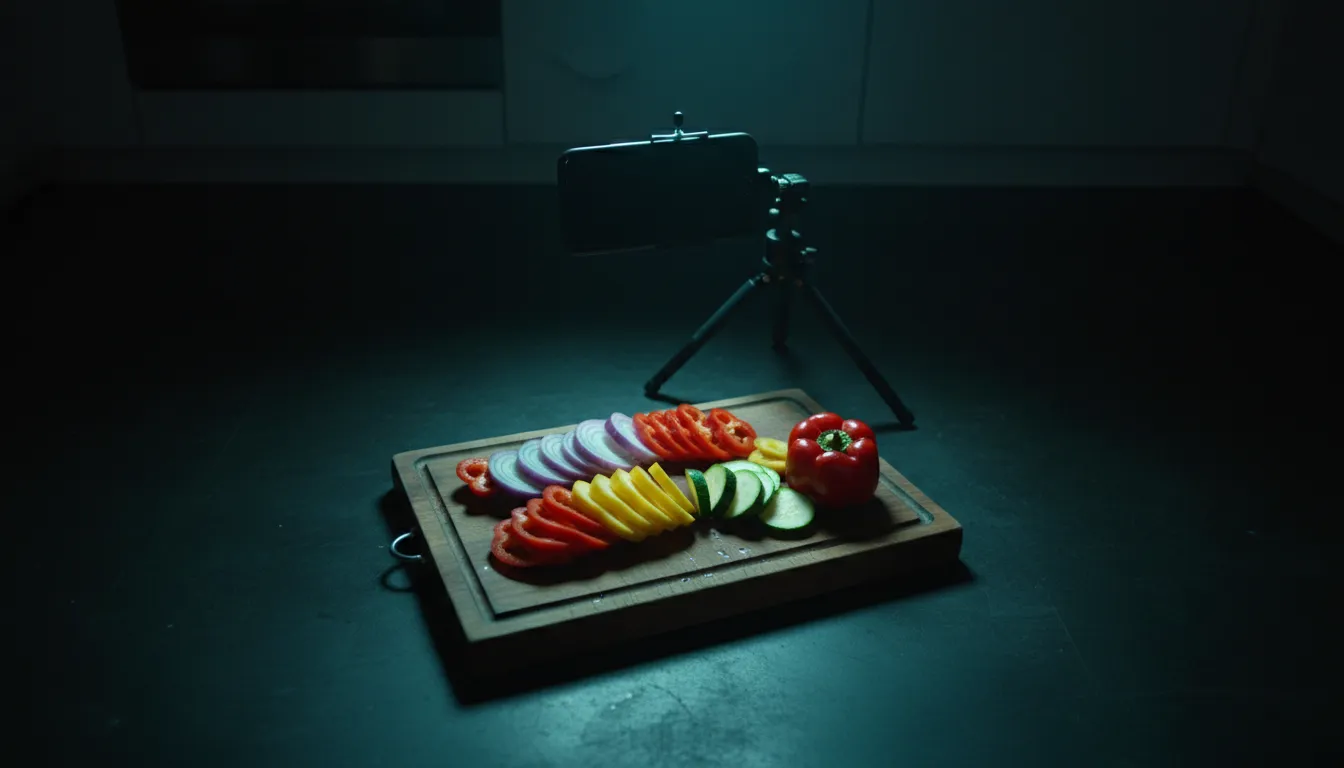
Change angles often, then build the video around a moment your viewers recognize. In Blossom’s library, videos with frequent changes of angle, location or shot type reached 5.11 times the views their account usually gets (1,486 videos). When they also showed a moment viewers know from their own life, they reached 16.84 times (180 videos), about 230% higher.
Visual variety is already one of the stronger techniques you can use. The right pairing takes it a lot further.
How visual variety performs by itself
A typical video in Blossom’s library reached 2.5 times its account’s usual views (47,402 videos). Videos that kept changing angles and locations reached 5.11 times, so 5.11 / 2.5 = 2.04, about 104% higher.
Blossom measured 37 techniques that appeared with visual variety in at least 30 videos each. They ranged from 1.44 times to 16.84 times usual views, so even a strong technique can be dragged down by what you put next to it.
What should you combine b roll and angle changes with?
Here are the top five of the 37 pairings, sorted by views against the account’s usual, each as a card you can use as a b roll idea for your next Reel.
1. A moment viewers know from their own life
- Views vs usual: 16.84 times (180 videos)
- vs variety alone: +230%
- Try it: cut between three or four spots in your morning routine, each one a moment your viewers have lived.
2. A trending sound
- Views vs usual: 15.03 times (391 videos)
- vs variety alone: +194%
- Try it: pick the sound first, then plan one new angle per line or beat of the track.
3. Before and after
- Views vs usual: 13.49 times (59 videos)
- vs variety alone: +164%
- Try it: film the start and the result from different angles so the change feels bigger on screen.
4. Comic exaggeration
- Views vs usual: 11.61 times (128 videos)
- vs variety alone: +127%
- Try it: blow up an everyday situation and give each beat of the joke its own shot.
5. Fast cutting
- Views vs usual: 10.74 times (463 videos)
- vs variety alone: +110%
- Try it: change the shot every second or two, which you’ll find easier when you’ve shot more angles than you need.
Trending sound has the largest sample in the top five, 391 videos, so it’s the safest of the five to copy.
Pairings that cancelled out the variety
| Paired with changing angles | Views vs the account’s usual | Videos | vs variety alone |
|---|---|---|---|
| An unresolved tease (open loop) | 1.44 times | 36 | -72% |
| One static shot | 1.61 times | 156 | -68% |
| Emotional, slow music | 1.87 times | 165 | -63% |
| Labelled parts (“Part 2”) | 1.92 times | 98 | -62% |
| A call to action | 2.04 times | 160 | -60% |
These are the bottom five of the 37, sorted the same way. Each one slows the video down or asks your viewer to wait, which works against the energy that angle changes create.
Watch the music choice if you film travel or lifestyle b roll. A moving, slow track under quick angle changes reached 1.87 times usual views, while upbeat music reached 6.71 times (392 videos).
The most common pairing: cuts on the beat
Beat sync is the pairing Blossom saw most often with visual variety, in 690 videos. Those reached 10.35 times usual views, about 103% above variety alone, so it’s both common and strong.
On-screen text is the one surprise in the middle. Videos with frequent angle changes and text through the whole video reached 4.55 times usual views (502 videos), about 11% below variety alone, so keep text short when your shots are already doing the work.
Your b roll shot list
- Plan at least five angles or spots before you start filming.
- Choose a trending or upbeat track and cut each new angle on the beat.
- Build around a familiar moment your viewers will recognize.
- Answer any tease quickly, since open loops were the weakest pairing.
- Leave the ask out of a fast, varied video; calls to action sat in the bottom five.
For more on footage choices, read b roll that holds attention and camera angles and views. For a niche-by-niche look, see visual variety vs a static shot by niche.
See which shots carry your video
Blossom’s video analysis maps every cut and angle change with timestamps and shows which techniques the best videos in your niche stack with visual variety. You’ll see where your edit sits on one shot too long before you post. Blossom scores the video; it can’t promise views. Analyze your next edit.
FAQ
Do more camera angles get more views?
In Blossom’s library, they went together with more reach. Videos with frequent angle and location changes reached 5.11 times usual views (1,486 videos), against 2.5 times for a typical video (47,402 videos).
What’s the best b roll idea for Reels?
Everyday moments your viewers recognize, filmed from several angles. That pairing reached 16.84 times usual views across 180 videos.
Should I put text on a video with lots of angle changes?
Keep it light, since videos with text all the way through reached 4.55 times usual views (502 videos), slightly below angle changes alone.
What music works with fast angle changes?
Trending or upbeat music, cut on the beat. Slow emotional tracks reached 1.87 times usual views across 165 videos, near the bottom of the list.
How we measured this
Figures come from Blossom’s library of analyzed TikTok and Instagram videos from the last 180 days, pulled on 2026-11-17. For each video we compare its views with the views its account usually gets, and report the median so one breakout video can’t skew a result. Every figure printed here has at least 30 videos behind it.
- Visual variety overall: 1,486 videos; library baseline: 47,402 videos
- Pairings: 37 pairings with at least 30 videos each, from 36 to 690 videos per pairing
- Top and bottom lists are sorted across all 37 pairings; “most common” is sorted by video count across the same 37
A pairing counts when both techniques appear in the same video. This shows what went together with more reach, not what caused it.
Read next

Are Before and After Videos Dead? What 2026 Data Shows
No, but how you open them matters. In Blossom's library, before and after videos that tease the result reach 2.71 times an account's usual views.

Are Challenge Videos Dead on TikTok and Reels? 2026 Data
No. Blossom data shows challenge videos at 3.31 times an account's usual views across 767 videos, and their share of new posts is rising.

Are Dance Trends Dead on TikTok? What the Data Shows in 2026
No. In Blossom's library, dance trends took a 2.87 times larger share of dance videos in the last four weeks (106 videos) than in the eight weeks before (135).